Understanding Chameleon Basics
What Makes Chameleons Unique Pets
Chameleons are unlike almost any other pet you can bring into your home, and that’s exactly what makes them so fascinating—and challenging at the same time. These reptiles are famous for their color-changing abilities, independently moving eyes, and slow, almost calculated movements that make them look like they’re always thinking three steps ahead. But here’s the truth most beginners don’t realize right away: those unique traits come with very specific care requirements that can’t be ignored.
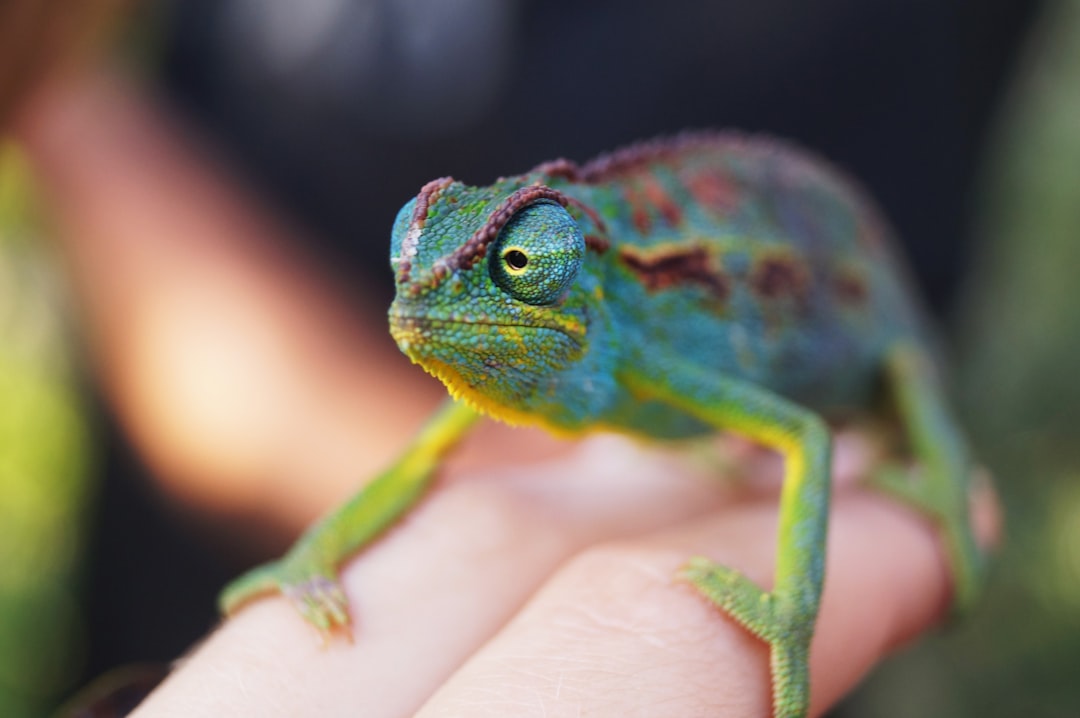
When a chameleon changes color, it’s not just putting on a show for you. It’s actually communicating. A bright, vibrant chameleon is often comfortable and healthy, while darker tones can indicate stress, fear, or improper environmental conditions. This means you’ll need to learn how to “read” your pet without relying on sounds or obvious behavior cues. It’s a bit like understanding someone who speaks a completely different language—you learn through observation over time.
Their eyes are another incredible feature. Each eye can move independently, allowing them to see nearly everything around them without moving their head. While that sounds cool (and it is), it also means they’re highly sensitive to movement and changes in their environment. Sudden actions, loud noises, or even frequent handling can stress them out quickly.
Unlike dogs or cats, chameleons are not affectionate animals. They don’t crave attention or interaction. In fact, they prefer to be left alone most of the time. Think of them more like a living piece of nature that you maintain and observe rather than a companion you constantly engage with.
Understanding these basics sets the foundation for everything else. If you expect a chameleon to behave like a traditional pet, you’ll end up frustrated. But if you approach it with curiosity and patience, the experience becomes incredibly rewarding.
Is a Chameleon Right for You?
Before you even think about buying a chameleon, it’s worth asking yourself a simple but important question: am I ready for this level of responsibility? Because while chameleons are undeniably cool, they’re not a “set it and forget it” type of pet.
First, consider your time and consistency. Chameleons require daily care routines, including feeding, misting, and checking temperature and humidity levels. This isn’t something you can skip or delay. Even a day or two of neglect can lead to dehydration or stress, which can quickly spiral into health issues.
Then there’s the financial side. Setting up a proper enclosure isn’t cheap. You’ll need a tall, well-ventilated cage, UVB lighting, heat lamps, live plants, and possibly an automatic misting system. And that’s just the beginning. Ongoing costs like food (live insects), supplements, and electricity for lighting can add up over time.
Another factor many people overlook is handling expectations. If you want a pet you can hold frequently, a chameleon is not the right choice. Most chameleons tolerate handling at best, and too much interaction can actually harm them by causing chronic stress.
On the flip side, if you enjoy creating and maintaining a mini ecosystem, observing animal behavior, and learning as you go, a chameleon can be an incredibly satisfying pet. It’s less about companionship and more about caretaking and discovery.
So, is a chameleon right for you? If you’re patient, detail-oriented, and willing to commit to proper care, then yes—it can be a fantastic experience. But if you’re looking for something low-maintenance or interactive, you might want to consider a different pet.
Choosing the Right Chameleon
Best Chameleon Species for Beginners
Choosing the right species is one of the most important decisions you’ll make as a beginner. Not all chameleons have the same care requirements, and some are far less forgiving than others when mistakes happen—which they will, especially early on.
The veiled chameleon is often considered the best starting point. It’s hardy, adaptable, and can tolerate minor fluctuations in its environment better than most other species. These chameleons are typically bright green with the ability to show yellows and blues depending on their mood and surroundings. They also grow relatively large, which makes them easier to observe and monitor.
The panther chameleon is another popular choice, especially for those drawn to vibrant colors. These chameleons can display stunning shades of red, blue, orange, and green. While slightly more sensitive than veiled chameleons, they’re still manageable for beginners who are committed to proper care.
If you’re considering a Jackson’s chameleon, proceed with a bit more caution. These chameleons prefer cooler temperatures and require more precise humidity control. They’re not impossible to care for, but they demand a bit more experience and attention to detail.
The key here is not to choose based purely on appearance. It’s tempting to go for the most exotic-looking species, but starting with a more forgiving chameleon will give you a better chance of success and a less stressful learning curve.
How to Pick a Healthy Chameleon
Selecting a healthy chameleon is just as important as choosing the right species. A strong, well-cared-for chameleon will adapt much better to its new home, while a stressed or sick one can struggle from day one.
Start by observing its behavior. A healthy chameleon should be alert and active, moving around its enclosure and showing interest in its surroundings. Its eyes should be open, round, and scanning independently. Sunken or closed eyes during the day are a major red flag.
Next, look at its body condition. The chameleon should have a full, rounded body without visible bones or sagging skin. Its grip should be strong when it climbs, and it should move with confidence rather than hesitation.
Hydration is another key indicator. A well-hydrated chameleon will have smooth skin and bright eyes. Dehydration often shows up as wrinkled skin and lethargy. Since chameleons don’t typically drink from bowls, proper hydration depends heavily on misting, so this is something you’ll need to manage carefully at home.
Whenever possible, buy from a reputable breeder instead of a pet store. Breeders usually provide better care and can give you detailed information about the chameleon’s age, diet, and health history.
Starting with a healthy chameleon doesn’t just make things easier—it significantly increases your chances of long-term success.