Understanding Chameleons as Pets
What Makes Chameleons Unique?
Chameleons are not your average pet, and honestly, that’s exactly why people find them so fascinating. Imagine owning a creature that can change colors, move its eyes independently, and shoot its tongue faster than you can blink—sounds almost unreal, right? These reptiles are like something straight out of a nature documentary, and bringing one into your home feels a bit like hosting a tiny, living science experiment. But beneath all that visual magic lies a complex animal with very specific needs that aren’t always obvious at first glance.
One of the most remarkable traits of chameleons is their color-changing ability, but contrary to popular belief, they don’t change color just to blend into their surroundings. Their color shifts are more about communication and mood. A stressed chameleon might turn darker shades, while a relaxed or dominant one may display brighter, more vibrant colors. It’s essentially their way of “talking” without making a sound, which adds a whole new layer of interaction between pet and owner.
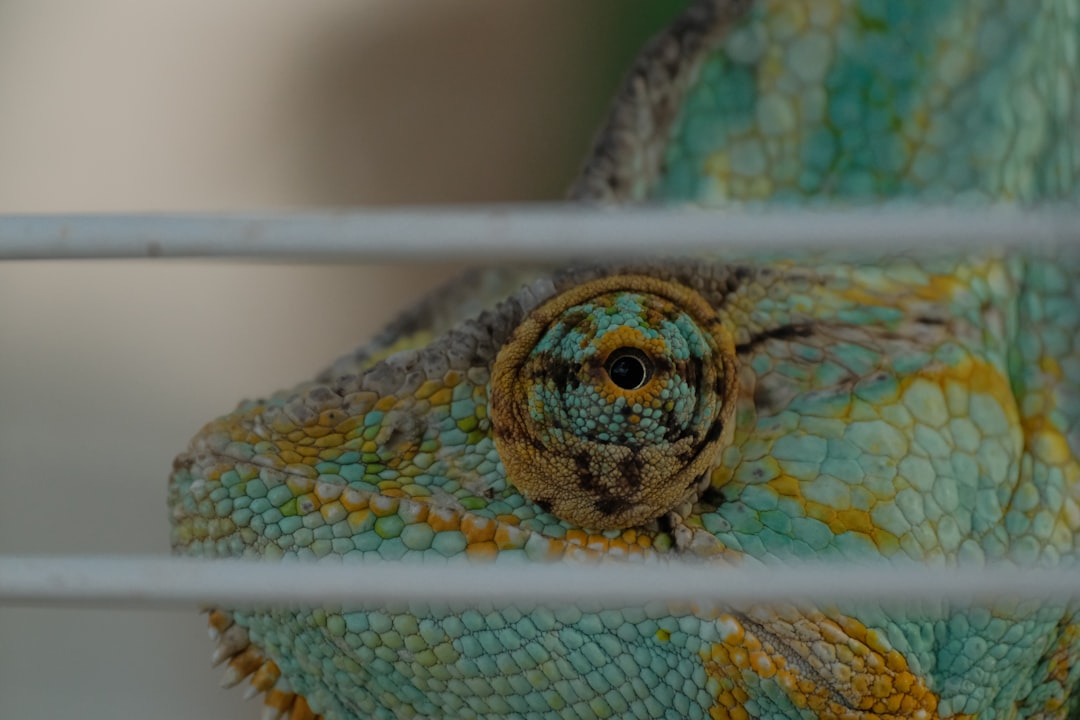
Their independent eye movement is another standout feature. Each eye can rotate and focus separately, giving them a 360-degree field of vision. This means your chameleon can watch you while also scanning for food or threats at the same time. It’s both fascinating and slightly eerie the first time you notice it. Add to that their slow, deliberate movements, which mimic leaves swaying in the wind, and you’ve got a pet that behaves unlike anything else you’ve ever owned.
However, these unique characteristics come with a catch. Chameleons are highly sensitive creatures. They don’t handle stress well, and even small environmental changes can affect their health. Unlike dogs or cats, they won’t seek affection or interaction. Instead, they thrive when left undisturbed in a carefully controlled habitat. So while they’re visually captivating, they demand a level of respect and understanding that not every pet owner is ready for.
Are Chameleons Good Pets for Beginners?
This is where things get a bit tricky. At first glance, a chameleon might seem like a cool and low-maintenance pet—after all, they don’t bark, shed fur all over your furniture, or need daily walks. But the reality is quite different. Chameleons are often considered intermediate to advanced reptiles, and there’s a good reason for that. Their care requirements are very specific, and missing even one key element can lead to serious health issues.
For beginners, the biggest challenge is understanding that chameleons are not “interactive” pets. If you’re hoping for a reptile you can hold, play with, or show off to friends regularly, you might be disappointed. Chameleons generally prefer minimal handling, and too much interaction can cause stress, which can weaken their immune system over time. It’s a bit like owning a delicate piece of living art—you admire it, care for it, but don’t constantly touch it.
Another hurdle is environmental control. Chameleons require precise temperature gradients, proper UVB lighting, and consistent humidity levels. This isn’t something you can set up once and forget about. It requires daily monitoring and adjustments, especially if you live in an area with fluctuating weather conditions. Think of it as maintaining a miniature ecosystem inside your home.
That said, beginners aren’t completely out of the game. If you’re willing to invest time in research and setup, and you’re genuinely interested in reptile care, a chameleon can be an incredibly rewarding pet. Species like the veiled chameleon are often recommended for newcomers because they are slightly more resilient compared to others. Still, “resilient” doesn’t mean easy—it just means they’re a bit more forgiving of minor mistakes.
So, are chameleons good for beginners? The honest answer is: only if you’re prepared to treat their care seriously. If you’re looking for a low-effort pet, this isn’t it. But if you’re fascinated by their behavior and committed to learning, owning a chameleon can be a deeply satisfying experience that feels both educational and unique.